


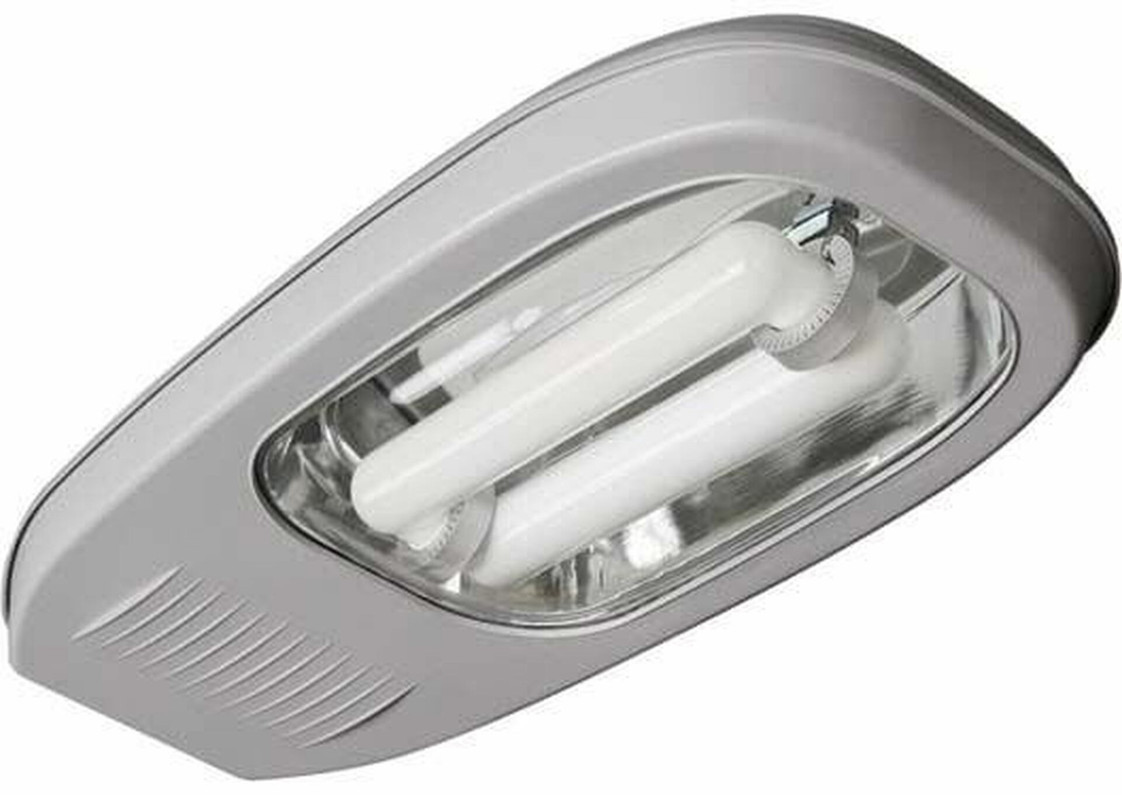
Why Induction Lighting Is Still the Best Choice for Commercial, Industrial, and Municipal Lighting
TL;DR: Induction lighting remains one of the strongest choices for commercial, industrial, and municipal applications because of its exceptional longevity (often 60,000–100,000 hours), outstanding durability with no electrodes to fail, and solid energy efficiency with excellent long-term lumen maintenance. In high-bay warehouses, factories, street lighting, and hard-to-reach municipal fixtures, these traits deliver lower lifetime maintenance costs and more reliable performance than many alternatives.
Why Induction Lighting Is Still the Best Choice for Commercial, Industrial, and Municipal Lighting
In the world of commercial lighting, industrial lighting, and municipal lighting, technology trends come and go. LED systems dominate many conversations today, yet induction lighting continues to stand out in the environments that demand the highest levels of reliability. When the priorities are durability, energy efficiency, and extreme longevity, induction lighting often delivers results that are difficult to match.
Induction (or electrodeless) lamps work through electromagnetic induction rather than traditional electrodes or filaments. This fundamental design difference is the source of their most valuable advantages.
Unmatched Longevity That Reduces Lifetime Costs
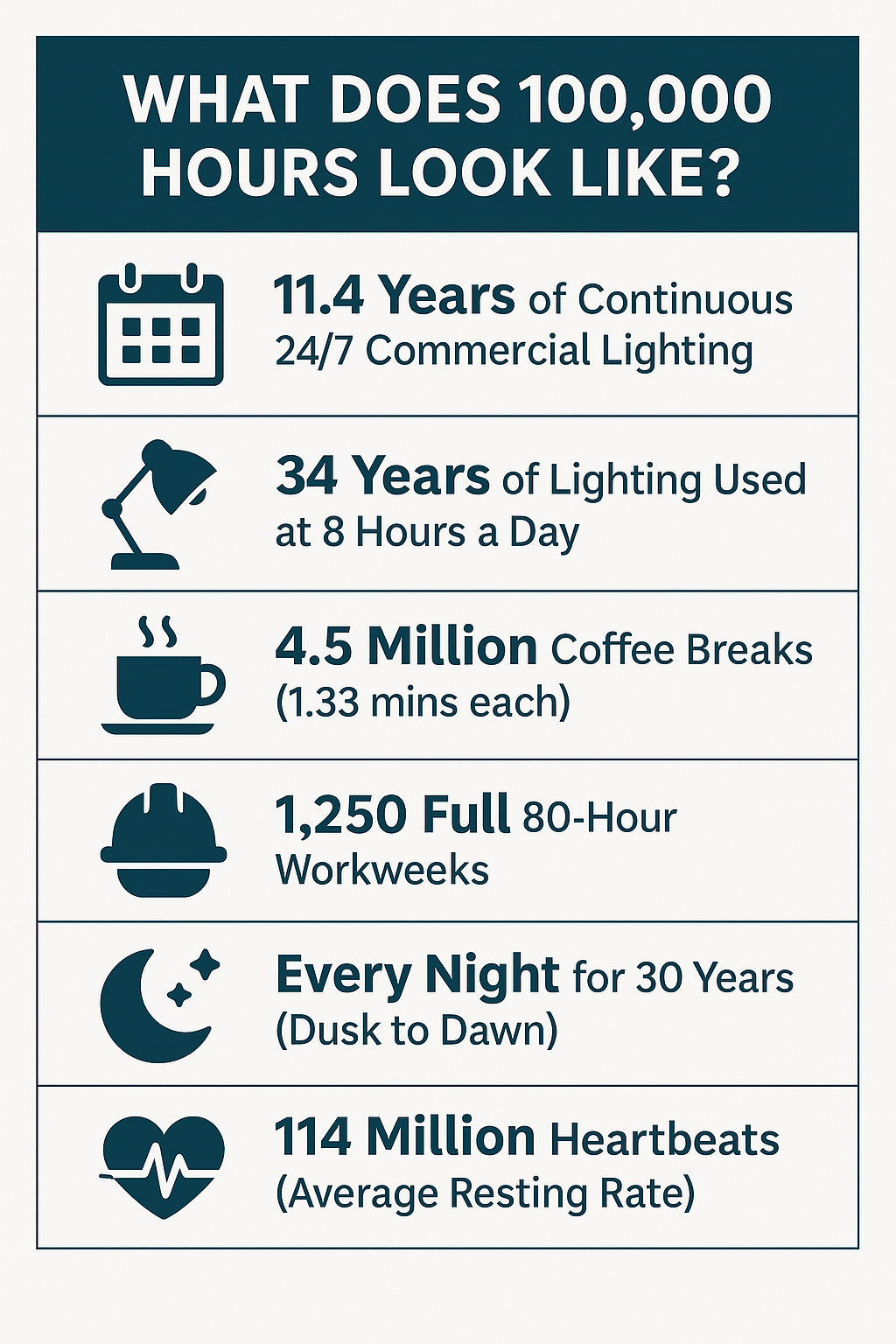
One of the biggest advantages of induction lighting is its extraordinary rated lifespan. Quality induction systems commonly deliver 100,000 hours of operation. At 12 hours of use per day, that equates to 15–20+ years of service. Even at continuous 24/7 operation, many systems can run for more than a decade before needing replacement.
This longevity far exceeds traditional metal halide, high-pressure sodium, and standard fluorescent systems, which typically fail much earlier. It also competes favorably with many LED fixtures when real-world lumen maintenance and system reliability are considered. Because induction lamps have no electrodes that degrade or burn out, they avoid the catastrophic failure modes common in other technologies. Light output declines gradually and predictably, maintaining usable brightness for a much longer period.
For facility managers and municipal operators, this translates directly into lower labor costs, fewer lift rentals or scaffolding setups, reduced downtime, and less frequent material purchases. In high-bay industrial facilities, tunnels, parking structures, and street lighting—where accessing fixtures is expensive and disruptive—the long service life of induction lighting creates substantial total cost of ownership advantages.
Superior Durability for Demanding Environments
Durability is another area where induction lighting excels. Without fragile internal electrodes or filaments, these lamps are highly resistant to vibration, shock, and thermal cycling. This makes them especially well-suited for industrial environments with heavy machinery, loading docks, manufacturing floors, and outdoor municipal applications exposed to wind, temperature extremes, and physical stress.
Induction Lighting fixtures also perform reliably in cold temperatures and offer instant-on capability with no warm-up or restrike delay. These traits matter in warehouses, cold storage, outdoor yards, and municipal installations that must function in all conditions without hesitation.
The robust construction and absence of electrode sputtering mean induction systems maintain performance consistency over many years. In commercial and industrial lighting applications where reliability equals safety and productivity, this durability provides peace of mind that fewer technologies can match.
Strong Energy Efficiency with Excellent Lumen Maintenance
Induction lighting delivers solid energy efficiency, typically in the range of 70–95 lumens per watt depending on the specific system and wattage. While modern high-end LEDs often achieve higher peak efficacy, induction systems still produce major energy savings compared with older HID technologies—frequently 40–60% or more when replacing metal halide or high-pressure sodium.
Just as important is how well induction lighting holds its light output over time. Lumen maintenance is excellent; many systems retain a high percentage of initial output well into their service life. This means facilities maintain designed light levels longer without the need for early group relamping or over-lighting to compensate for rapid depreciation.
Combined with low heat output relative to some legacy technologies, reduced maintenance, and long operating life, the efficiency profile of induction lighting supports lower operating costs and a smaller environmental footprint across the full lifecycle of commercial, industrial, and municipal installations.
Ideal Applications in Commercial, Industrial, and Municipal Settings
Induction lighting shines in specific use cases:
- Industrial high-bay and warehouse lighting – Long life and vibration resistance minimize expensive elevated maintenance.
- Factory and manufacturing facilities – Reliable performance in demanding thermal and vibration environments.
- Municipal street lighting, parking lots, and tunnels – Reduced maintenance cycles lower labor and traffic disruption costs.
- Commercial large spaces and outdoor areas – Consistent light quality and long service intervals support predictable budgeting.
In these settings, the combination of durability, efficiency, and longevity often makes induction lighting a smarter long-term investment than systems that require more frequent intervention.
Conclusion: Longevity, Durability, and Efficiency Still Matter Most
While lighting technology continues to evolve, the core requirements of commercial lighting, industrial lighting, and municipal lighting remain the same: systems must last, withstand tough conditions, and deliver light efficiently over many years. Induction lighting was engineered around these exact priorities.
With rated lifespans reaching 100,000 hours, electrode-free construction that resists failure, and strong real-world efficiency paired with excellent lumen maintenance, induction lighting continues to be one of the best choices for facilities and municipalities that prioritize reliability and low total cost of ownership.
When the goal is lighting that simply works—for decades with minimal attention—induction lighting remains a proven, high-performance solution.
Recent Posts
-
Why Induction Lighting Is Still the Best Choice for Commercial, Industrial, and Municipal Lighting
TL;DR: Induction lighting remains one of the strongest choices for commercial, industrial, and munic …Aug 21st 2026 -
Commercial Solar LED Lighting: The Complete Guide to Converting Your Property
Commercial Solar LED Lighting: The Complete Guide to Converting Your Property As energy prices conti …Aug 7th 2026 -
Commercial LED Lighting vs. Halogen, Metal Halide, and High-Pressure Sodium Lighting
Lighting technology has evolved dramatically over the past century, improving efficiency, reducing …Jun 12th 2026